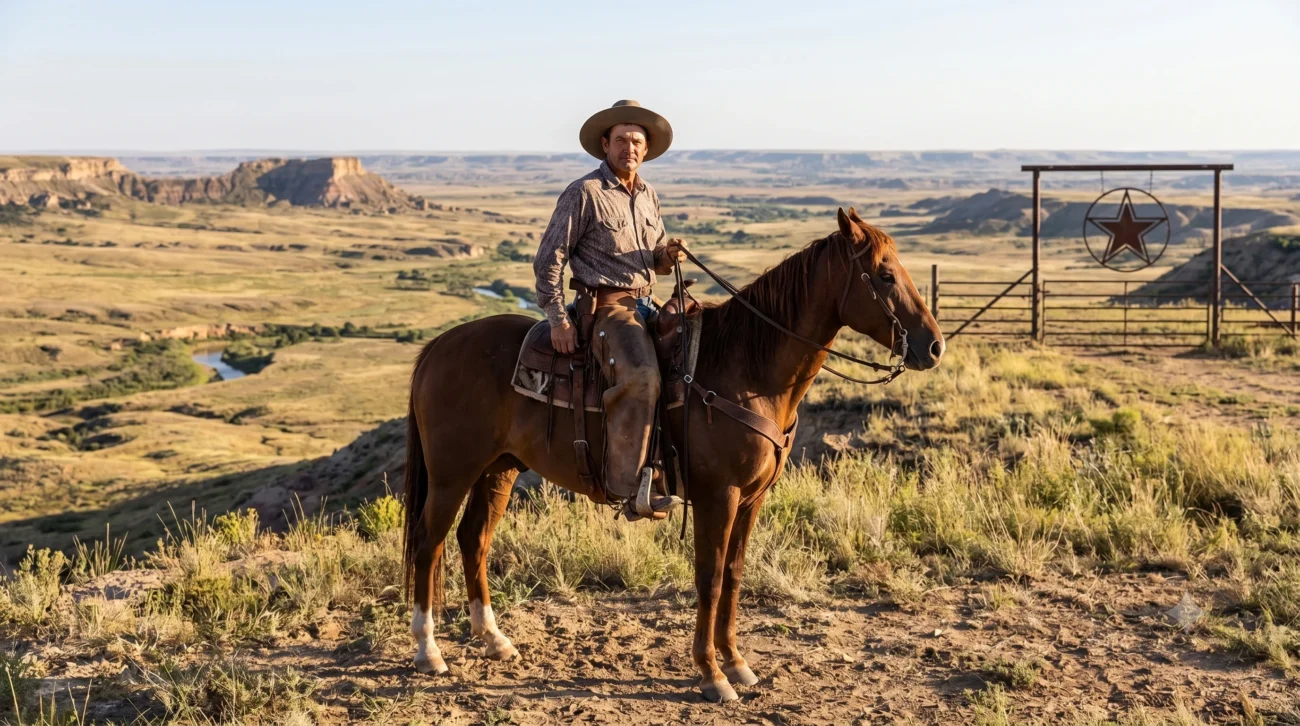
The cowboy became famous as a lone figure on horseback, but the real biography of cowboys is not the story of one man riding into the sunset. It is the story of workers, many of them young and poorly paid, who turned cattle into an industry and ranch labor into one of the most enduring symbols in American culture. Their lives were shaped by Spanish and Mexican vaquero traditions, Black freedom after the Civil War, Indigenous horse cultures, cattle markets, harsh weather, and long days of skilled labor. The myth made cowboys look simple; the history makes them far more interesting.
Early Roots: Before the American Cowboy
Long before the English word “cowboy” became famous, Spanish colonial cattle workers had already built a sophisticated horse-and-cattle culture in North America. The vaquero tradition grew across Mexico, California, Texas, New Mexico, Arizona, and other borderlands, where cattle handling required patience, balance, rope skill, and a deep feel for animals. The Library of Congress notes that Mexican vaqueros strongly influenced later working cowboys through their horsemanship, equipment, and vocabulary.
That inheritance still lives in the language of cowboy life. Words such as rodeo, lariat, mustang, chaps, and bronco all carry Spanish roots or Spanish-borderlands history. The Texas State Historical Association describes the vaquero as central to Texas ranching traditions and to the practical methods later adopted by Anglo ranchers. Cowboys were never purely an Anglo-American invention, even though popular culture often sold them that way.
The Cattle Drive Years
The most famous chapter in cowboy history came after the Civil War, when Texas cattle could be moved north to railheads and eastern markets. Cowboys drove longhorns along routes such as the Chisholm Trail, the Goodnight-Loving Trail, and the Western Trail. The work was dangerous, slow, and physically punishing, but it helped turn beef into a national business.
That classic cattle-drive era was shorter than the legend suggests. Barbed wire, railroad expansion, settlement, and severe winters helped end the open-range system by the late nineteenth century. Cowboys did not vanish, but their work moved from long trail drives to ranch-centered labor, where branding, breeding, feeding, fencing, and animal care mattered more than months on the trail.
A More Diverse West Than the Movies Showed
The public image of cowboys was narrowed by dime novels, Wild West shows, Hollywood films, and advertising. In reality, cowboy crews included Mexican vaqueros, Black cowboys, Native riders, immigrants, and white ranch hands from many backgrounds. Black cowboys were especially important after the Civil War, when many formerly enslaved men brought horse, cattle, and farm skills into paid ranch work.
Exact numbers are hard to prove because ranch records were uneven and many workers left few personal papers. Still, historians agree that Black cowboys were a real and visible part of the cattle industry, even if movies later pushed them aside. That erasure shaped public memory, making the West look whiter and simpler than it was.
Work, Pay, and Daily Life
A working cowboy’s day was built around animals, weather, and distance. On cattle drives, cowboys rode for long hours, slept outdoors, ate plain food from chuck wagons, and faced river crossings, stampedes, lightning, dust, heat, and cold. On ranches, the work could be less mobile but no less demanding, with branding, roping, fence repair, calving, doctoring, and moving herds from pasture to pasture.
The gear became famous because it worked. Hats shielded sun and rain, boots helped riders stay safe in stirrups, chaps protected legs from brush, and saddles gave riders control during long hours on horseback. The National Cowboy & Western Heritage Museum, founded in 1955, preserves this material history as part of the broader art and culture of the American West.
Women, Families, and Ranch Life
Cowboy history is often told as if it belonged only to men, but ranch life was family labor. Women rode, raised children, kept accounts, cooked for crews, managed households, handled animals, and in many cases ran ranches after death, divorce, or economic hardship changed family circumstances. Their work was often described as domestic support, but ranch households could not survive without it.
Women also entered rodeo and Western performance, sometimes gaining public fame before being pushed to the margins by changing rules and expectations. Their stories complicate the idea that cowboy culture was only about male independence. The truth is that ranching often depended on networks of kinship, neighbors, hired workers, and seasonal labor rather than solitary heroes.
Rodeo and the Making of a Public Cowboy
Rodeo turned ranch skills into public competition. Roping, bronc riding, steer wrestling, barrel racing, and bull riding grew out of ranch work, informal contests, and traveling entertainment. Over time, rodeo became its own world, with professional athletes, prize money, injuries, sponsors, and fans.
The rodeo cowboy is related to the ranch cowboy, but they are not the same figure. A ranch hand may never compete in rodeo, and a rodeo rider may not earn a living managing cattle on a ranch. Still, rodeo kept cowboy skills visible to urban audiences and helped preserve a public appetite for Western identity.
Cowboys in Books, Film, and Politics
The cowboy’s public image grew faster than the working life itself. Dime novels turned cowboys into heroes, Wild West shows turned them into performers, and film turned them into global icons. By the twentieth century, the cowboy could stand for courage, whiteness, masculinity, rural virtue, rebellion, patriotism, or commercial style, depending on who was using the image.
That image has been useful and misleading at the same time. It gave Americans a language for independence and grit, but it often hid the real labor, cultural borrowing, racial diversity, and economic hardship behind the hat. Cowboys became one of the few laboring figures who could be romanticized without much attention to wages, ownership, or class.
Money, Labor, and the Modern Cowboy
Modern cowboys still work, but their job rarely matches the fantasy. Many are ranch hands, livestock workers, horse trainers, rodeo competitors, outfitters, or seasonal employees. The Bureau of Labor Statistics reported that agricultural workers had a median annual wage of $35,980 in May 2024, and projected a 3 percent decline in overall agricultural worker employment from 2024 to 2034.
That figure is not a perfect measure of cowboy income because ranch work varies by region, employer, housing, livestock responsibility, and whether the worker is full-time, seasonal, self-employed, or part of a family operation. Some cowboys receive housing, pasture, or other noncash benefits, while others move between ranches, rodeos, and day work. The romantic image can hide the financial reality: cowboy work is skilled labor, but it is not usually a path to wealth.
Public Image and Cultural Power
Cowboys remain powerful because they carry more than one meaning. To some people, they represent ranch work and livestock knowledge. To others, they mean country music, rodeo, Western fashion, conservative politics, regional pride, or childhood memories of movie heroes.
The strongest modern accounts of cowboys tend to be more honest than the older myths. Museums, historians, ranch families, Black cowboy groups, Mexican American scholars, Native historians, and rodeo communities have pushed the story beyond the old Hollywood frame. That broader version does not weaken the cowboy image; it gives it depth, evidence, and human scale.
Where Cowboys Are Now
Today’s cowboys work in a ranching world shaped by drought, land prices, beef markets, conservation pressure, animal welfare concerns, labor shortages, and technology. Horses still matter on many ranches, especially in rough country, but trucks, trailers, ATVs, veterinary tools, digital records, and GPS have changed the job. A modern cowboy may rope cattle in the morning and repair water systems or enter herd data later that day.
The cultural cowboy is also everywhere. Western wear moves through fashion cycles, rodeo draws crowds, Yellowstone-style television dramas revive old images, and museums keep expanding the record. But the most important cowboy is still the working one: the person handling animals before sunrise, fixing what breaks, and doing difficult labor that rarely looks like a movie poster.
Frequently Asked Questions
Were cowboys real?
Yes, cowboys were and are real workers, not just characters from Western films. Historically, they handled cattle on drives and ranches, often under difficult conditions and for modest pay. The myth grew from real labor, then books, shows, movies, and advertising reshaped it.
Where did cowboy culture come from?
Cowboy culture drew heavily from Spanish and Mexican vaquero traditions. Vaqueros developed many of the riding, roping, equipment, and cattle-handling practices later adopted across the American West. Anglo ranchers added their own methods, but the roots were deeply cross-cultural.
Were there Black cowboys?
Yes, Black cowboys were part of the cattle industry, especially after the Civil War. Many worked as skilled riders, ropers, cooks, and ranch hands. Their role was later underrepresented in Hollywood and popular Western art.
Are cowboys still around today?
Yes, cowboys still work on ranches and in related livestock jobs. Their work has changed with vehicles, technology, land ownership, and modern agriculture. Still, cattle handling, horsemanship, animal care, and physical endurance remain central to the job.
What is the difference between a cowboy and a vaquero?
A vaquero is a Spanish and Mexican cattle worker whose traditions helped shape cowboy culture. A cowboy is the English-language term that became famous in the United States. The two terms overlap historically, but vaquero points more directly to the Mexican origins of the craft.
Do cowboys make a lot of money?
Most working cowboys do not become wealthy from ranch labor alone. Pay varies widely by ranch, region, experience, housing, and whether the work is seasonal or full-time. Public estimates for agricultural workers suggest modest wages compared with the skill and physical risk involved.
Conclusion
The biography of cowboys is not a straight line from frontier hardship to Hollywood glory. It is a shared life story built from vaquero skill, Black labor, Indigenous presence, ranch economies, family work, and popular imagination. That is why the cowboy remains so durable: the symbol is simple, but the history behind it is not.
What survives today is partly myth and partly muscle memory. Cowboys still ride, rope, brand, mend, haul, and care for animals, even as the tools and markets around them change. Their lives are less polished than the image, but more useful to understand.
To see cowboys clearly, readers have to look past the costume and toward the work. The hat and horse may catch the eye, but the real story is labor, adaptation, and cultural exchange. That story is still alive, and it is far richer than the legend alone.
